
Improving Water Quality in Shrimp Ponds: The Key to Healthier Shrimp and Higher Productivity
Water quality is one of the most critical factors determining the success of shrimp farming. Regardless of the farming system—traditional, semi-intensive, or intensive—a stable aquatic environment directly influences shrimp growth, feed conversion efficiency, disease resistance, and overall production profitability. Poor water conditions can quickly lead to stress, slow growth, disease outbreaks, and even massive economic losses.
Modern shrimp farming focuses not only on increasing production but also on maintaining sustainable water ecosystems. By understanding the key parameters that affect water quality and implementing proper management practices, farmers can create an ideal environment that supports healthy shrimp throughout the production cycle.
Why Water Quality Matters
Shrimp spend their entire lives in water, making them highly sensitive to changes in environmental conditions. Even slight fluctuations in dissolved oxygen, pH, temperature, ammonia, or salinity can significantly affect their health.
Maintaining good water quality provides several important benefits:
- Promotes faster and healthier shrimp growth.
- Improves feed conversion efficiency.
- Reduces disease outbreaks.
- Strengthens shrimp immunity.
- Minimizes environmental stress.
- Increases harvest survival rates.
- Maximizes farm profitability.
A stable pond ecosystem also encourages beneficial microorganisms to thrive, naturally suppressing harmful bacteria while improving nutrient cycling.
Essential Water Quality Parameters
Dissolved Oxygen (DO)
Oxygen is vital for shrimp metabolism. Low oxygen levels often occur during the night or early morning and can cause shrimp to gather near the surface or pond edges.
Recommended level:
- Above 5 mg/L
Installing efficient aerators and monitoring oxygen regularly helps maintain healthy conditions.
pH Level
The pH value affects biological activity, microbial balance, and nutrient availability within the pond.
Recommended range:
- 7.5–8.5
Rapid pH fluctuations should be avoided because sudden changes increase shrimp stress and weaken their immune systems.
Water Temperature
Temperature directly influences shrimp metabolism and feeding behavior.
Recommended range:
- 28–32°C
Extreme temperatures reduce feed intake and increase susceptibility to disease.
Salinity
Different shrimp species require different salinity ranges, but consistency is generally more important than absolute value.
Avoid sudden salinity changes caused by heavy rainfall or excessive water exchange.
Ammonia and Nitrite
Ammonia (NH₃) and nitrite (NO₂⁻) are toxic compounds produced from uneaten feed, shrimp waste, and decomposing organic matter.
Recommended levels:
- Ammonia: Below 0.1 mg/L
- Nitrite: Below 0.5 mg/L
Regular monitoring and biological treatment help prevent toxic accumulation.
Common Causes of Poor Water Quality
Several management mistakes contribute to deteriorating pond conditions:
- Overfeeding
- Excessive organic waste
- Poor pond preparation
- Insufficient aeration
- Inadequate water circulation
- High stocking density
- Lack of regular water testing
- Poor sludge management
Identifying these issues early allows farmers to take corrective action before they negatively impact shrimp performance.
Practical Solutions to Improve Water Quality
1. Prepare the Pond Properly
Successful shrimp production begins before stocking.
Preparation should include:
- Removing sludge from previous crops.
- Drying the pond bottom.
- Applying agricultural lime when necessary.
- Eliminating harmful pathogens.
- Filling the pond with clean, filtered water.
A properly prepared pond creates a healthier microbial environment from the start.
2. Maintain Adequate Aeration
Aeration improves oxygen distribution while keeping organic particles suspended for biological decomposition.
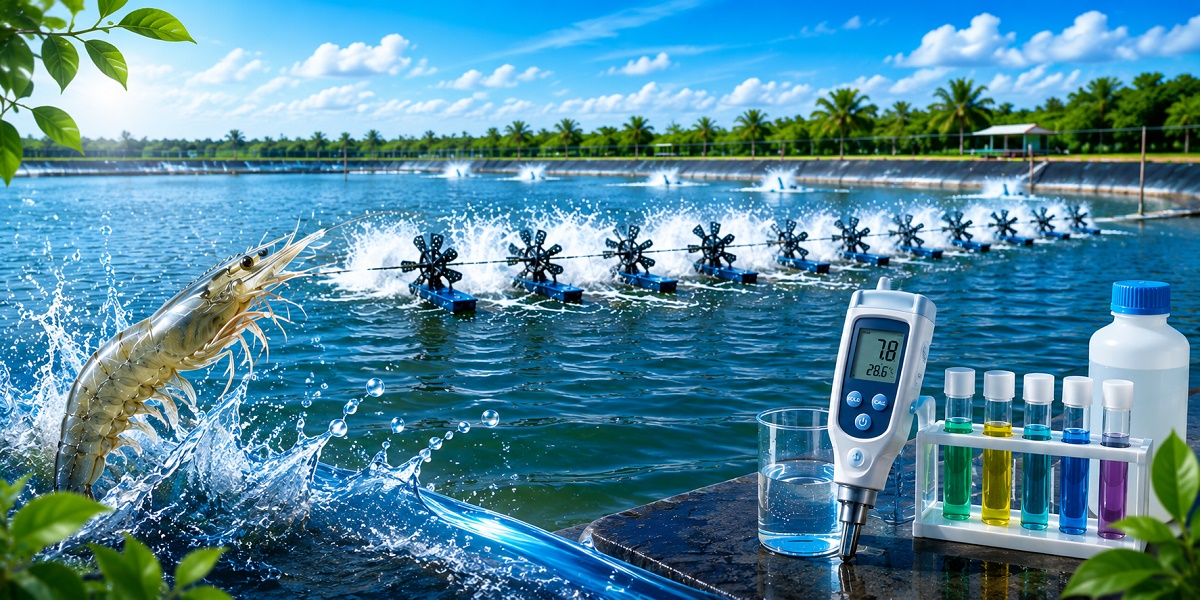
Modern paddlewheel aerators also help maintain consistent water circulation and prevent oxygen depletion in deeper pond areas.
3. Monitor Water Regularly
Routine testing allows farmers to detect problems before they become serious.
Key parameters should be measured at least two to three times per week, including:
- Dissolved oxygen
- pH
- Temperature
- Salinity
- Ammonia
- Nitrite
- Alkalinity
Continuous monitoring enables timely management decisions and reduces production risks.
